Nav atļaujas izmantot mikrofonu
Kategorija
  • Šī izsole
  • Aktuālie
  • Arhīvs
search
Izmantojiet MI ieteikumus, lai ātrāk atrastu labākos rezultātus savām vajadzībām un vēlmēm

Nesen meklēts
Šī opcija ir pieejama tikai tiem lietotājiem, kuri ir pieteikušies
Mākslinieki
Nav
Izsoļu nams
Nav
‹
translate search star_border

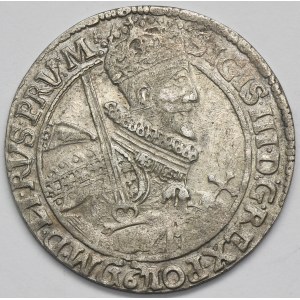
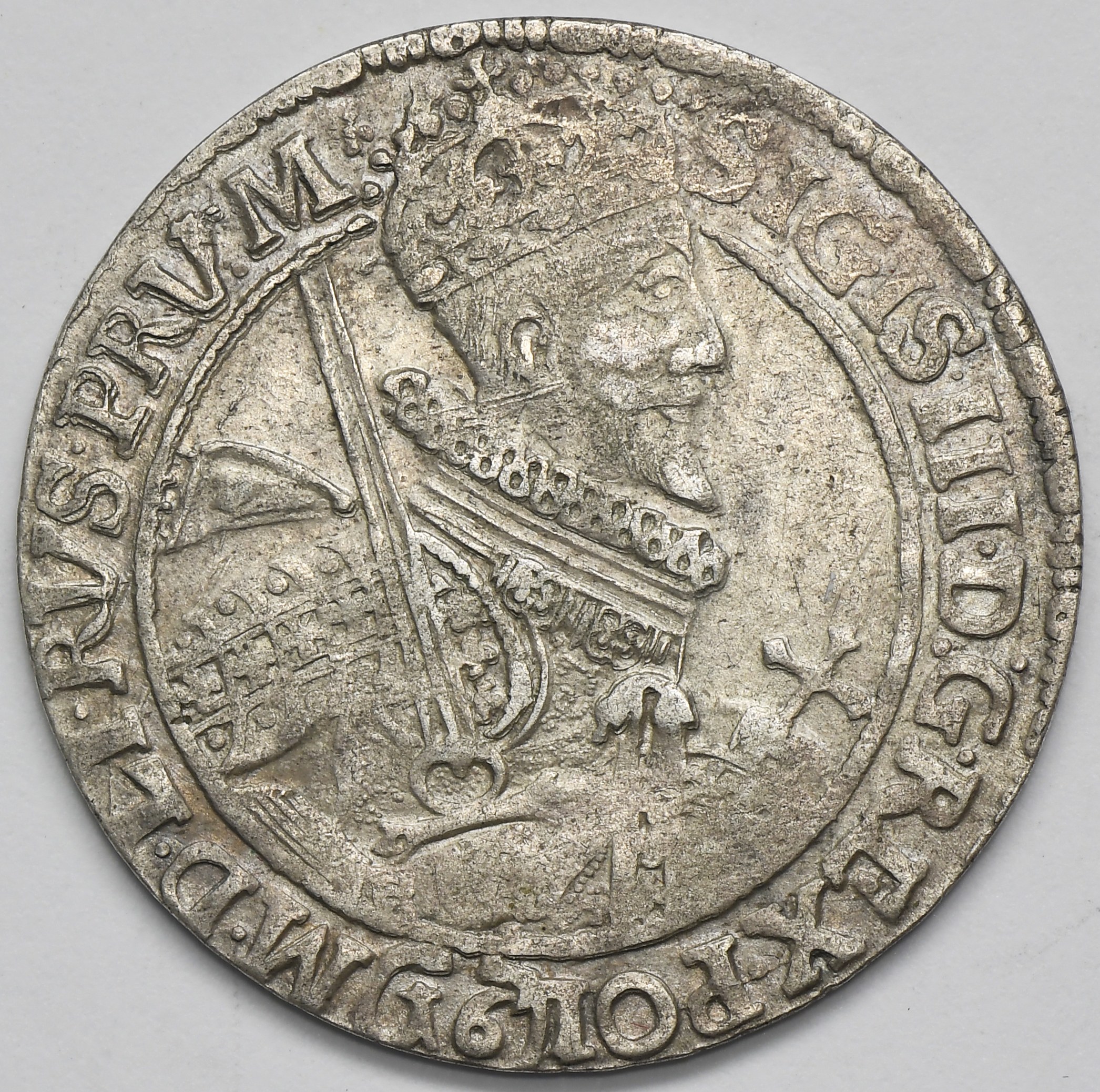
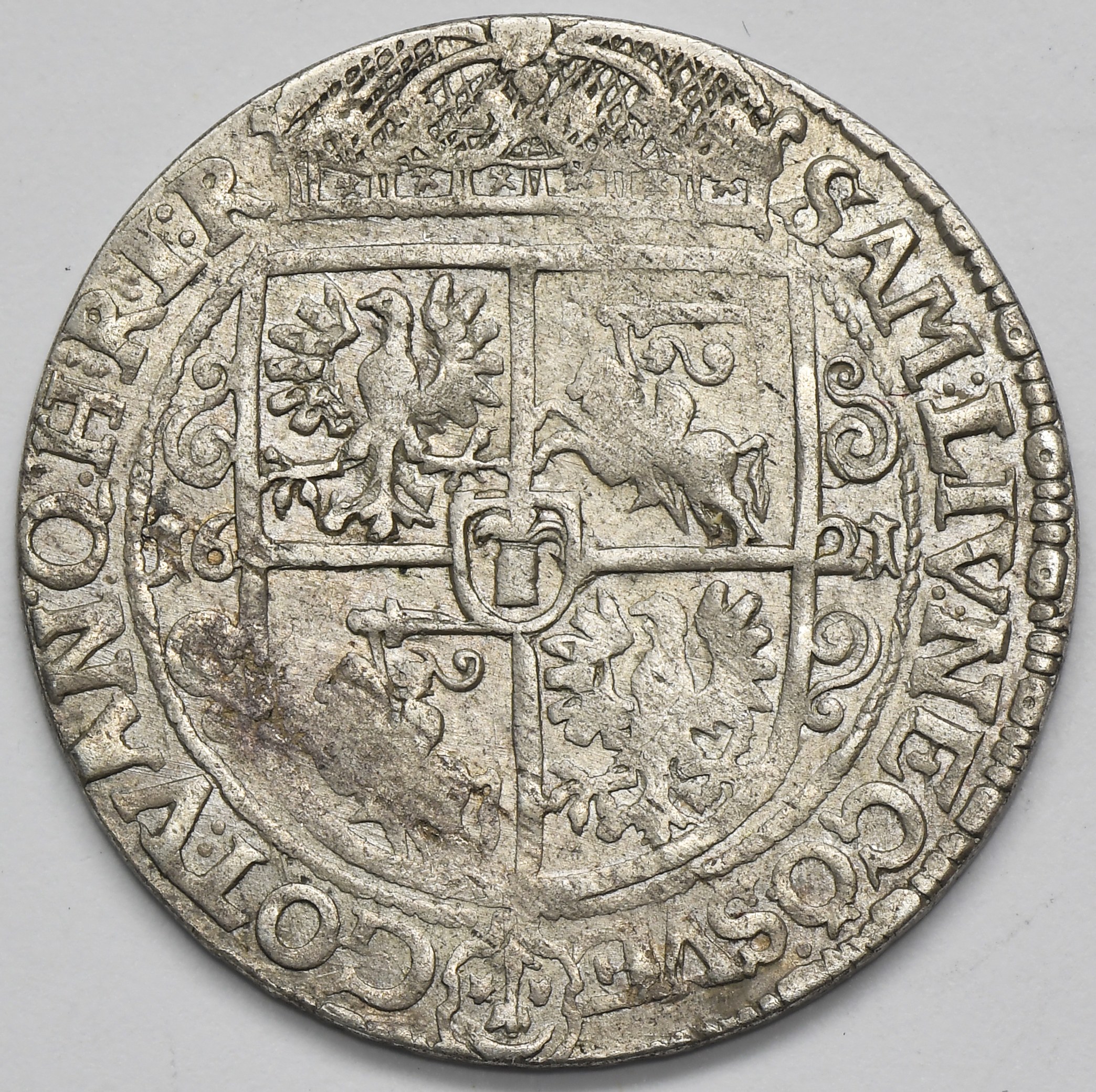
Sigismund III Vasa, 1/4 Thaler Bromberg 1621 - PRV M

VF
Paziņojumi tiešraides izsoles laikā
notifications_off Brīdinājums: Nē
textsms SMS: Nav
add Jūsu piezīme 
Priekšmeta apraksts
Pakāpe: VF help
Litaratūra: Shatalin B21-IX-1 (R2)

Variety with the ending of the obverse legend PRV M, with strongly curled ornaments and with reverse legend NECO SVE.


The monetary history of the Polish-Lithuanian Commonwealth during the reign of Sigismund Vasa was set against the backdrop of a growing monetary crisis caused by the situation in Germany and the influx of debased German coins into Poland. Initially, the mint rate was determined by Stephen Báthory's ordinance of 1580. As the crisis deepened, a decision was made in 1601 to raise the mint rate, devaluing the denominations in circulation. In subsequent years, further legal acts were passed reducing the silver content of individual denominations. The most important of these was the ordinance of 1623. It introduced a stable monetary system based on the imperial monetary system. During the reign of Sigismund III, new denominations appeared in the Polish-Lithuanian Commonwealth: the 3-krutierz coin, the półkorupi, and the ort. In 1621, the highest denomination in the history of Polish currency, the 100-ducat coin, was minted at the Bydgoszcz Mint. This was the culmination of the intensive issuance of gold coins under Sigismund III. During this period, the Crown Mints (Olkusz, Wschowa, Poznań, Malbork, Bydgoszcz, Lublin, Kraków, and Warsaw), the Lithuanian Mint (Vilnius), the municipal Mints (Gdańsk, Elbląg, Toruń, Riga, Poznań, and Wschowa), and the private mint in Łobżenica operated. Sigismund Vasa's Swedish coins were issued by the mints in Stockholm, Rewal, and Malbork. In 1627, the decision was made to suspend the issuance of small coins. This decision remained in effect until 1650.

The ruler who initiated the issuance of ort coins in Poland was Sigismund Vasa. The first pieces of the new denomination appeared in Gdańsk. In 1608, the mint issued trial ort coins ("initial issue," "specimen coins"), known today in only a few pieces. They exhibit minting characteristics, not embossing like the ort coins of subsequent years. Production of ort coins as circulation coins began in 1609. The name ort ("orth") comes from Old German and means quarter. It referred to the coin's value at the time – ¼ thaler. In 1618, the Crown Mint in Bydgoszcz joined the Gdańsk mint as a producer of ort coins. Ort coins were impressive, initially struck from good, 14th-grade silver. They weighed an average of 6.958 g and contained 6.089 g of pure silver. Due to the monetary crisis that characterized much of Sigismund Vasa's reign, minting regulations changed the standard of ort coins three times. In 1615, it was decided that they would be struck from XIII ½ fine silver, their weight set at 6.726 g, and their pure silver content at 5.676 g. The following year, another change occurred. The standard of ort coins was lowered again (XIII fine, weight 6.427 g, pure silver 5.222 g). In 1621, the final change was introduced (XI fine, weight 7.207 g, pure silver 4.955 g).

Izsole
Tematiskā izsole Nr. 31 „Karaliskās Polijas monētas un aneksijas”
gavel
Datums
02 Decembris, 16:00 CET/Warsaw
date_range
Sākuma cena
17 EUR
Pakāpe
VF
Izsoles tiešraides sākums
lock Izsole tiek būvēta - Reģistrācija vēl nav pieejama
Nosūtiet ziņu izsoles rīkotājam

Vai jums ir jautājumi par šo loti vai cenu noteikšanu?

Skatījumi: 15 | Iecienītākie: 2
Kā izsolīt
Nākamais solis
Piesakies izsolei
1 / 4

Krok 1
double_arrow Piesakies izsolei
Reģistrējieties izsolei savlaicīgi un aizpildiet nepieciešamo informāciju, negaidiet līdz pēdējam brīdim
Krok 2
cancel Pārlūkot katalogu
Iepazīstieties ar izsoles katalogu un atrodiet kaut ko sev. Saglabājiet interesējošos vienumus, lai saņemtu paziņojumus
Krok 3
cancel Piedalīties izsolē
Kad sākas tiešraides izsole, pievienojieties licitēšanai un uzvariet: Kā licitēt tiešraidē?
Krok 4
cancel Pārbaudīt rezultātus
Informāciju par izsoles rezultātiem un jūsu laimestiem varat atrast savā Profilā, jūs saņemsiet arī e-pasta paziņojumu

Uzzināt vairāk: Help centre

Kā izsolīt
1

Piesakies izsolei

2

Pārlūkot katalogu

3

Piedalīties izsolē

4

Pārbaudīt rezultātus

Reģistrējieties izsolei savlaicīgi un aizpildiet nepieciešamo informāciju, negaidiet līdz pēdējam brīdim
Iepazīstieties ar izsoles katalogu un atrodiet kaut ko sev. Saglabājiet interesējošos vienumus, lai saņemtu paziņojumus
Kad sākas tiešraides izsole, pievienojieties licitēšanai un uzvariet: Kā licitēt tiešraidē?
Informāciju par izsoles rezultātiem un jūsu laimestiem varat atrast savā Profilā, jūs saņemsiet arī e-pasta paziņojumu

Uzzināt vairāk: Help centre

Izsole

WÓJCICKI - Polski Dom Aukcyjny

Tematiskā izsole Nr. 31 „Karaliskās Polijas monētas un aneksijas”
Datums
Trešdiena, 02 Decembris, 16:00 CET/Warsaw
Izsoles gaita

Visas lotes tiks izsolītas

Izsoles maksa
20.00%
Pakāpe
Moneta czyszczona
Przetarte tło
Moneta wybłyszczona
Nienaturalny połysk na skutek nieumiejętnego mycia.
Miejscowo niedobita
Moneta gięta
Ślad po zawieszce.
Wyjęta z oprawy
Cenu palielinājumi
  1
  > 10
  100
  > 20
  500
  > 50
  1 000
  > 100
  3 000
  > 200
  5 000
  > 500
  20 000
  > 1 000
  50 000
  > 2 000
  100 000
  > 5 000
∞
 
Noteikumi un nosacījumi
Par izsoli
FAQ
Par pārdevēju
WÓJCICKI - Polski Dom Aukcyjny
Kontakts
WÓJCICKI - Polski Dom Aukcyjny
room
Klemensa Janickiego 2b
50-157 Wrocław
phone
+48 71 30 70 111
Maksājums
Bankas pārskaitījums: PLN, EUR, USD
PayPal: Komisijas maksa 5.75 %
Darba laiks
Pirmdiena
09:30 - 17:00
Otrdiena
09:30 - 17:00
Trešdiena
09:30 - 17:00
Ceturtdiena
09:30 - 17:00
Piektdiena
09:30 - 17:00
Sestdiena
Slēgts
Svētdiena
Slēgts
keyboard_arrow_up
Help centre open_in_new