


Dimensions: 88 x 72 x 33 cm, ed. II/IV
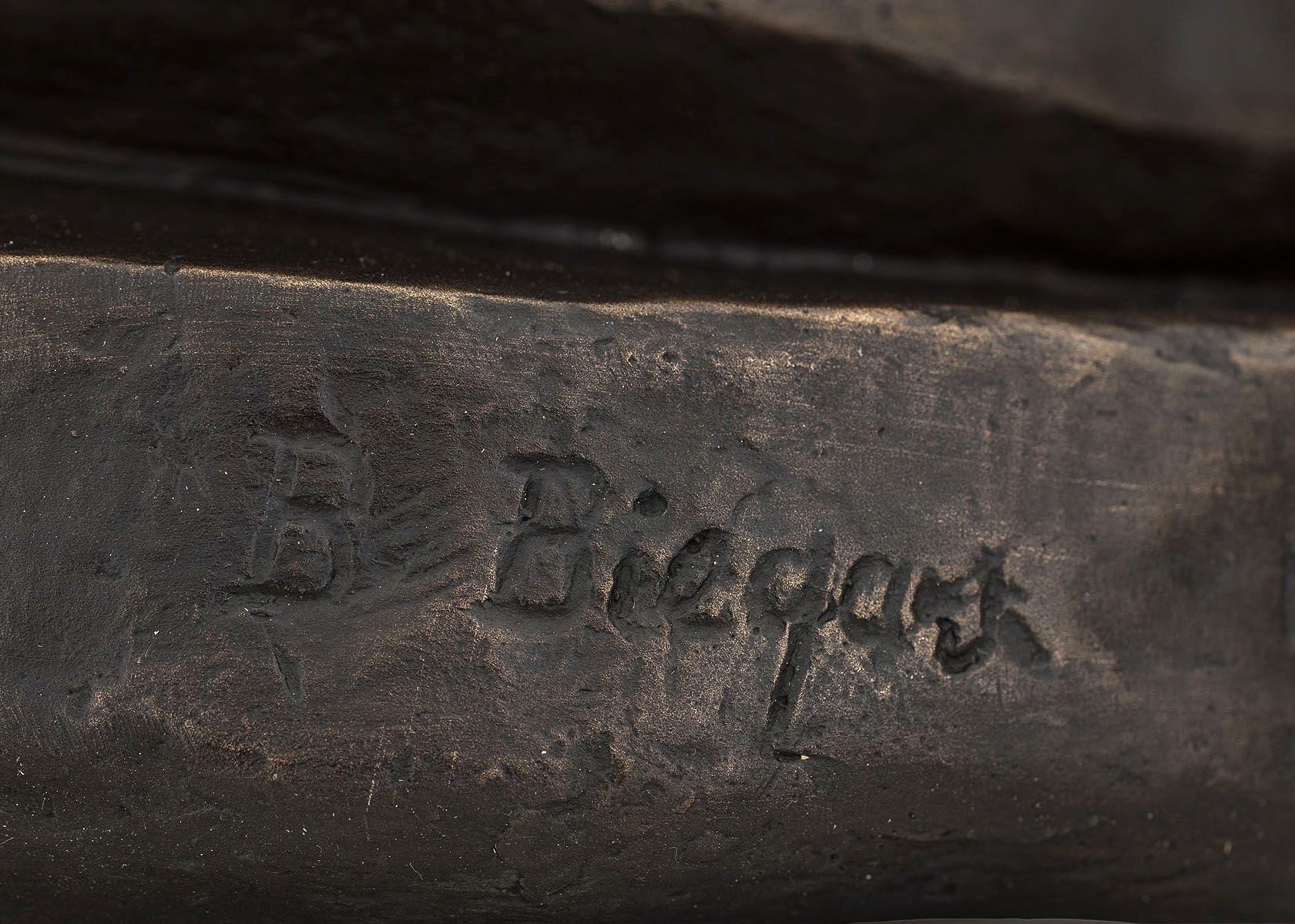
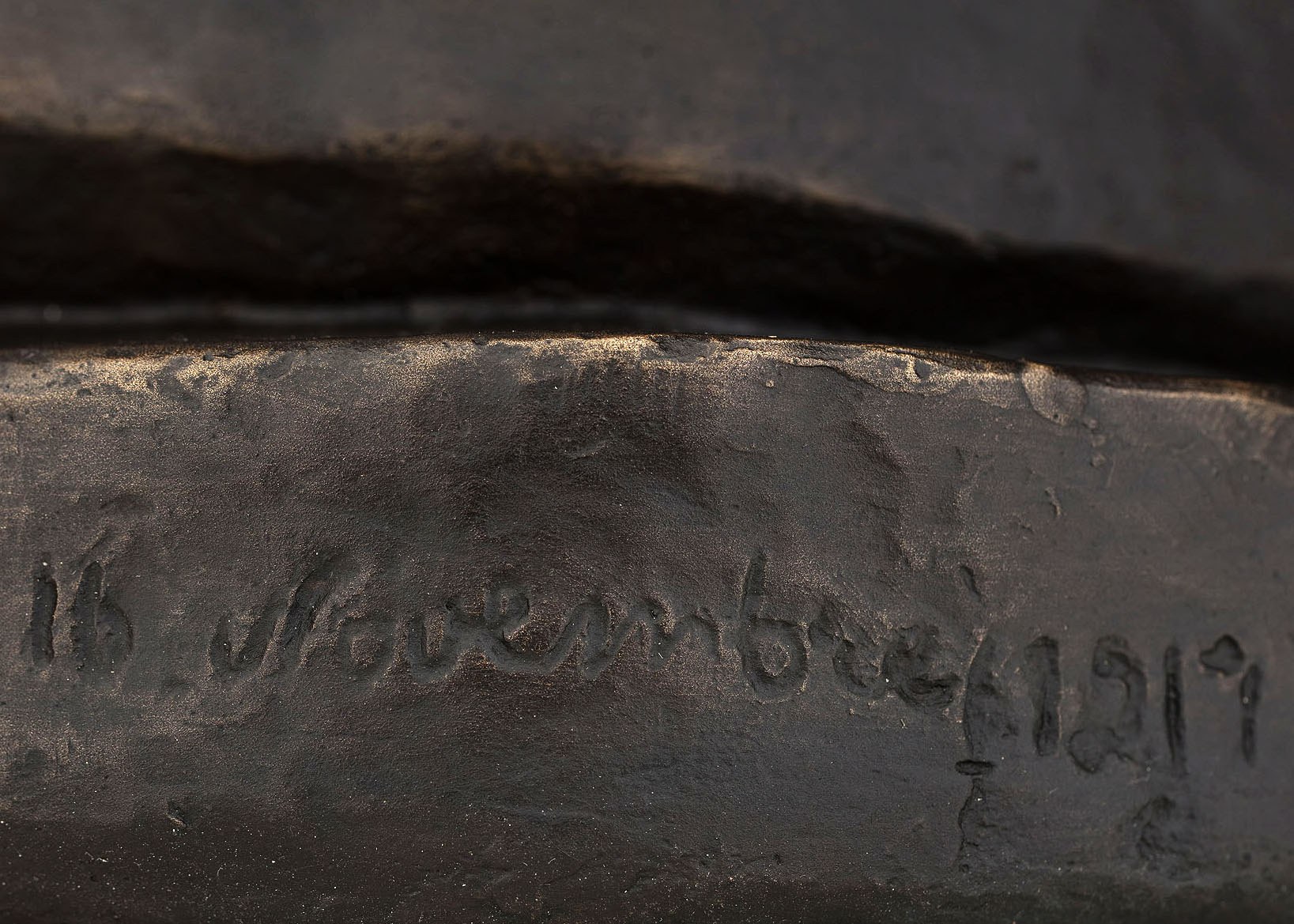
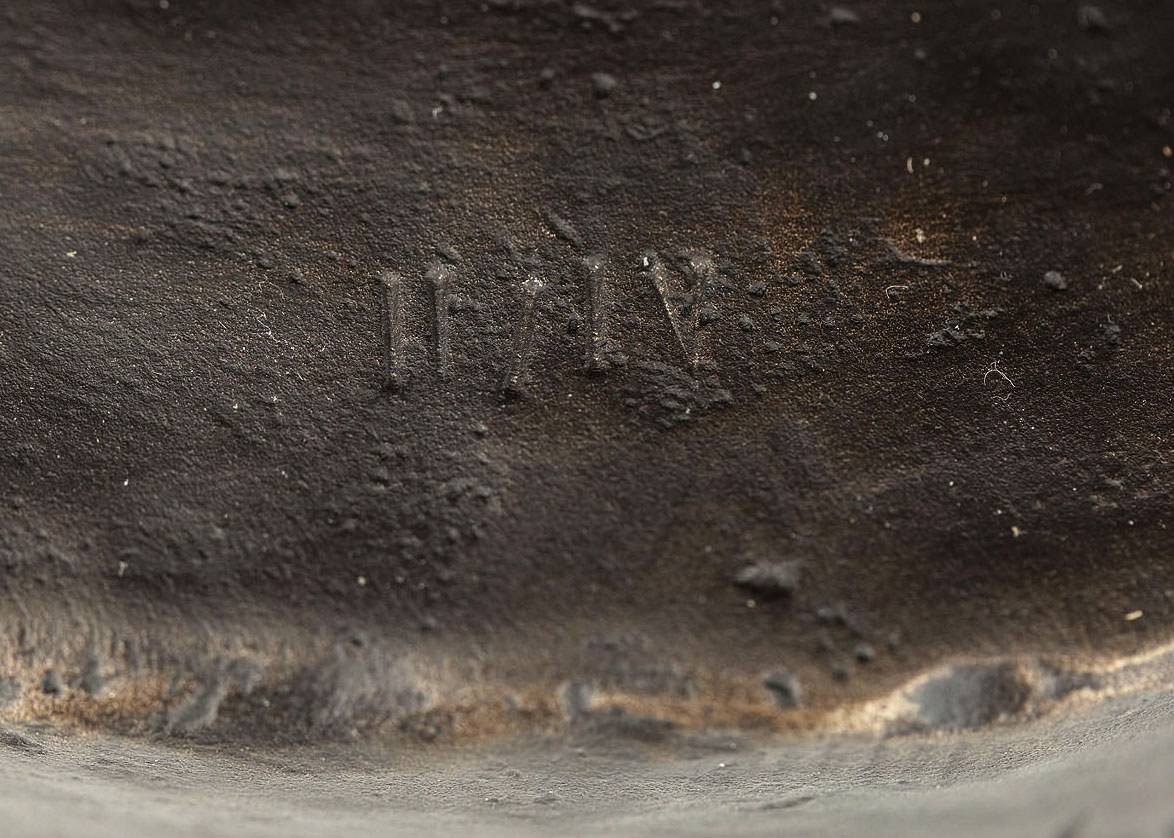
Signature: signed at the base: II/IV / B. Biegas, November 16, 1917
The work is accompanied by a certificate from the Historical and Literary Society / Polish Library in Paris dated 2026.
Provenance
Kraków, private collection.
Exhibited
Konstancin-Jeziorna, Villa la Fleur, Bolesław Biegas. Between Inspiration and Symbol, May 14–July 31, 2011 (another piece). Paris, Trianon de Bagatelle, Bolesław Biegas. Sculptures – Peintures, May 21–August 30, 1992 (another piece).
Bibliography
Czarnocka, A. [ed.], Bolesław Biegas, Sculpture, Warsaw 2012, pp. 110, 141 (another piece). Deryng, X., Bolesław Biegas, Polish Historical and Literary Society/Polish Library in Paris, Warsaw 2011, p. 277 (another piece). Bolesław Biegas, Between Inspiration and Symbol [exhibition catalog], Villa la Fleur, Konstancin Jeziorna 2011, back cover (different piece). “Gazeta Wyborcza”—Tri-City regional edition, April 30–May 1, 2009, p. 12 (another piece). Bolesław Biegas. Sculptures-Peintures, [exhibition catalog] Trianon de Bagatelle, Paris 1992, p. 103 (another piece). “Le Quotidien du Médecin,” No. 4977, May 29, 1992, p. 14 (another piece). “Le Journal des Enchères,” May 21, 1992, p. 10 (different piece). “La Montagne Magazine,” August 22, 1992. “Harper’s Bazaar Italia,” no. 188, August 1992 (different piece).
The work is accompanied by a certificate from the Historical and Literary Society / Polish Library in Paris dated 2026.
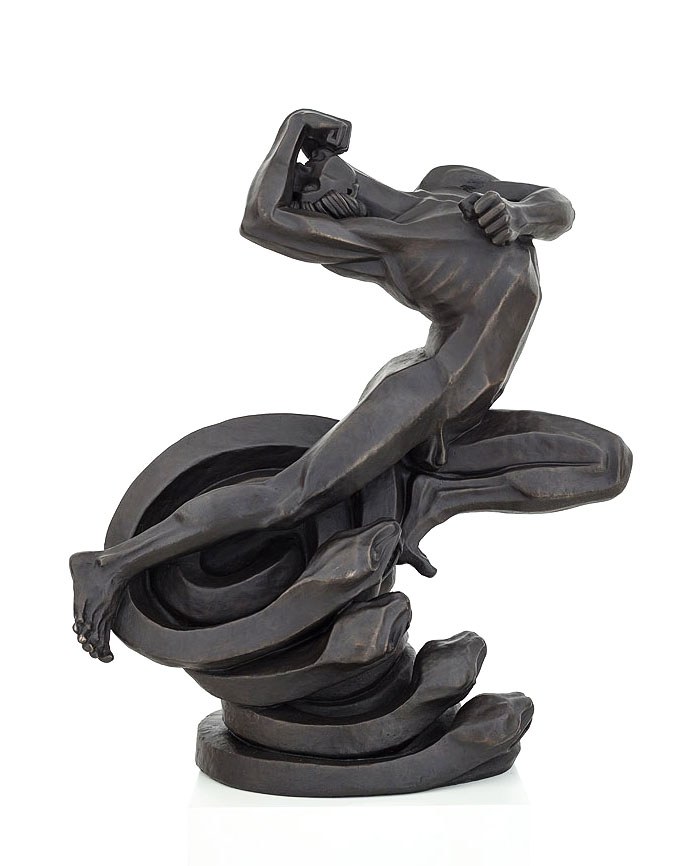
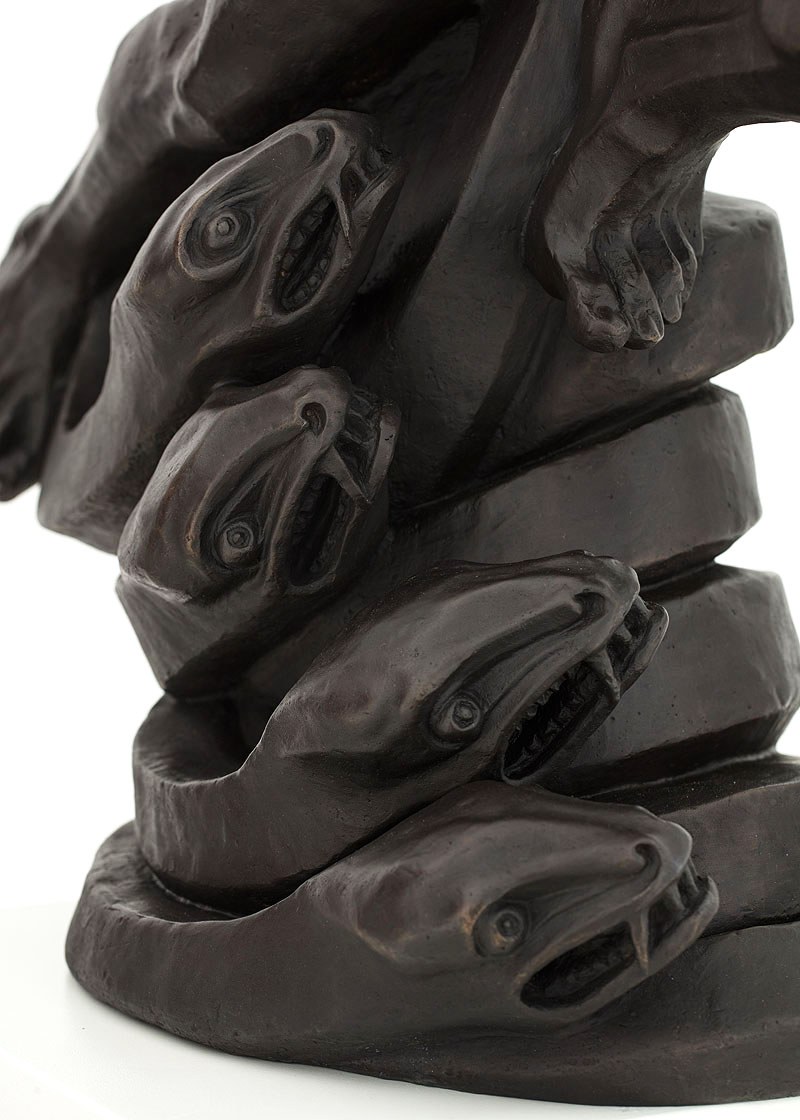
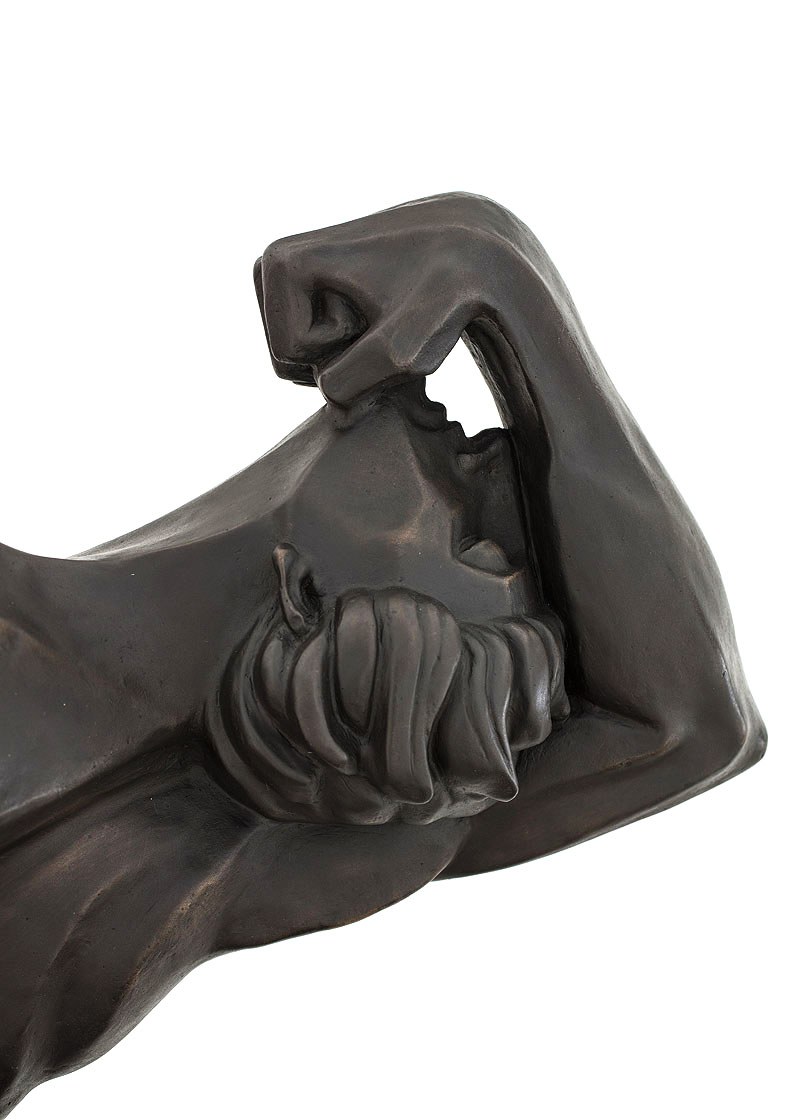
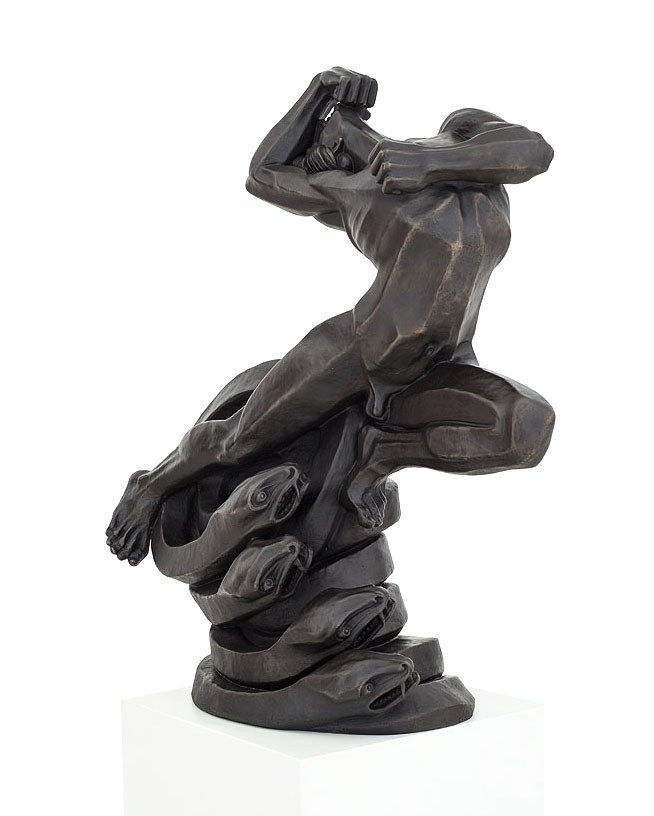
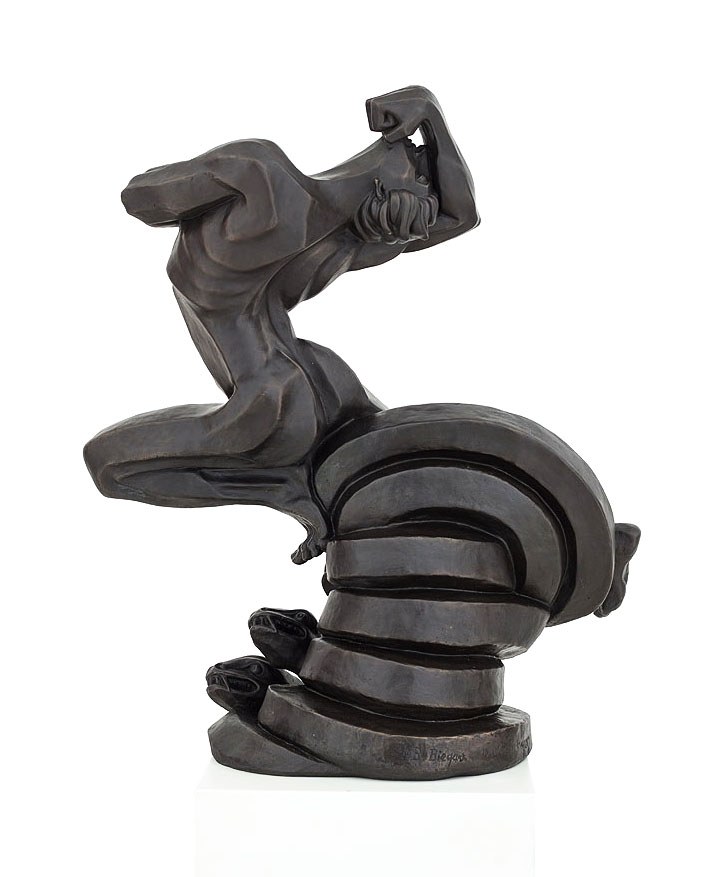
The sculpture “The Reptiles of Life” belongs to the main current in Bolesław Biegas’s work, which revolves around existential questions about human fate and addresses the themes of suffering, escape from fate, and the role of natural forces and the subconscious in human life. The sculpture on offer depicts a young man fleeing from a four-headed reptile. The man’s body, bent in a highly expressive posture, lends the scene extraordinary dynamism. The form alludes to the Mannerist “serpentina” figure, and the lines of the body and serpentine twists give the sculpture a sense of lightness. The narrative of fleeing from one’s own worries and demons is expressed through the tension in the muscles, the dramatic gesture of the head thrown back, and the menacing gaze of the four-headed predator.
“The Reptiles of Life” is an allegorical sculpture that addresses the theme of inner fears and the traps of evil that lie in wait for humanity during its earthly journey. Bolesław Biegas earned a reputation as a leading Polish symbolist and a precursor of existentialism in art at the turn of the century. “Reptiles of Life” ranks among his most highly regarded works and continues to attract great interest from collectors.










